

Kluczowa różnica między kablami krosowymi OM3 i OM4 polega na przepustowości i odległości transmisji: OM4 oferuje efektywną przepustowość modalną (EMB) wynoszącą 4700 MHz·km — ponad dwukrotnie więcej niż 2000 MHz·km w przypadku OM...
Przeczytaj więcej


 Zapytanie
Wyszukiwanie produktów
Język
Produkt
- Wstępnie połączone rozwiązanie ODN
- Szybkie złącze światłowodowe
- Rozdzielacz światłowodowy PLC
-
Patchcord światłowodowy
- Patchcord światłowodowy serii SC
- Patchcord światłowodowy serii LC
- Patchcord światłowodowy serii FC
- Patchcord światłowodowy serii ST
- Patchcord światłowodowy OM1/2
- Patchcord światłowodowy OM3
- Patchcord światłowodowy OM4
- Patchcord światłowodowy serii Armored
- Patchcord światłowodowy serii E2000
- Patchcord światłowodowy typu pigtail
- Patchcord światłowodowy w 12 kolorach
-
Kabel światłowodowy
- Rozdzielnica światłowodowa
- Zamknięcie złącza światłowodowego
-
Skrzynka zaciskowa światłowodu
-
Rama rozdzielcza światłowodu ODF
- Akcesoria światłowodowe
- Sprzęt i narzędzia światłowodowe
kontakt
OTDR
Sprzęt światłowodowy OTDR to profesjonalne urządzenie służące do testowania i rozwiązywania problemów w sieciach światłowodowych.
Dokładny pomiar i pozycjonowanie: Sprzęt światłowodowy OTDR może dokładnie mierzyć długość, straty, zdarzenia odbicia i lokalizację punktów usterek łączy światłowodowych poprzez wstrzykiwanie impulsów świetlnych i analizowanie rozproszonych wstecznie i odbitych sygnałów w światłowodzie. Te cechy sprawiają, że jest to kluczowe narzędzie zapewniające niezawodność i wydajność sieci światłowodowych.
-
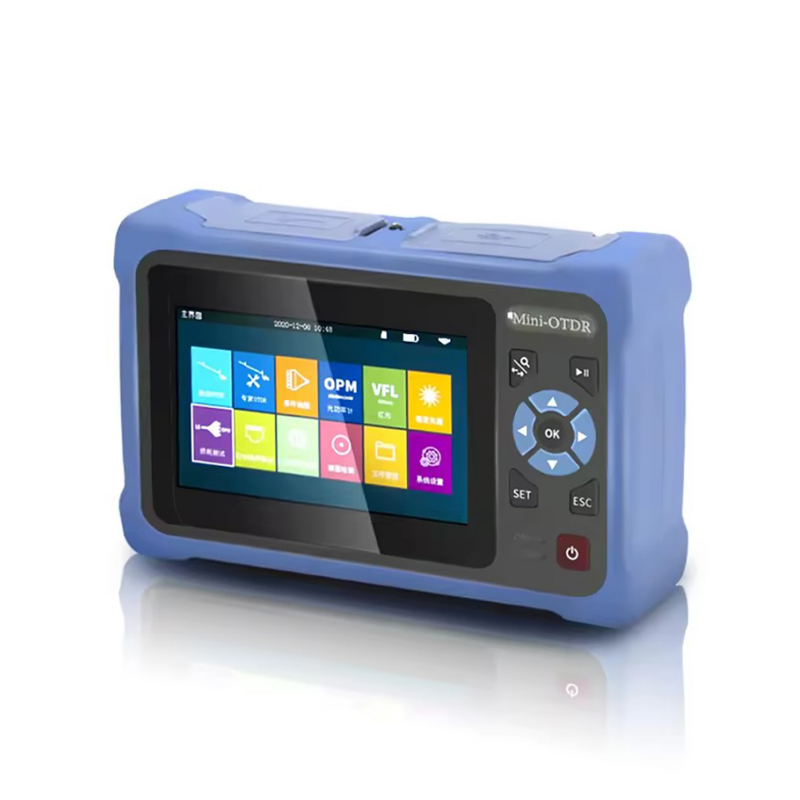

NK4000D
OTDR serii NK4000 wykorzystuje pojemnościowy ekran dotykowy o przekątnej 4,3 cala. Integruje 12

O NAS
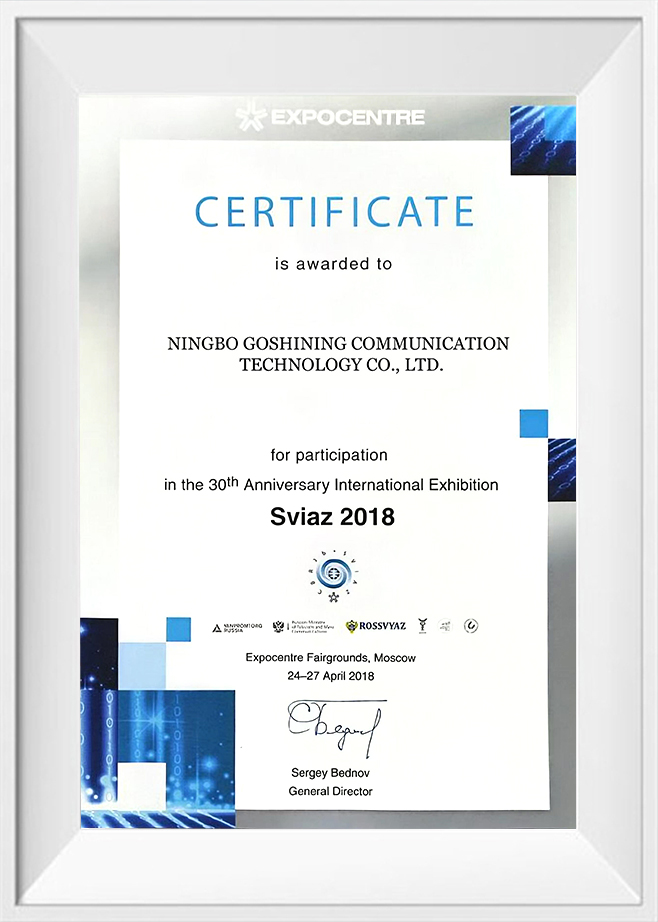
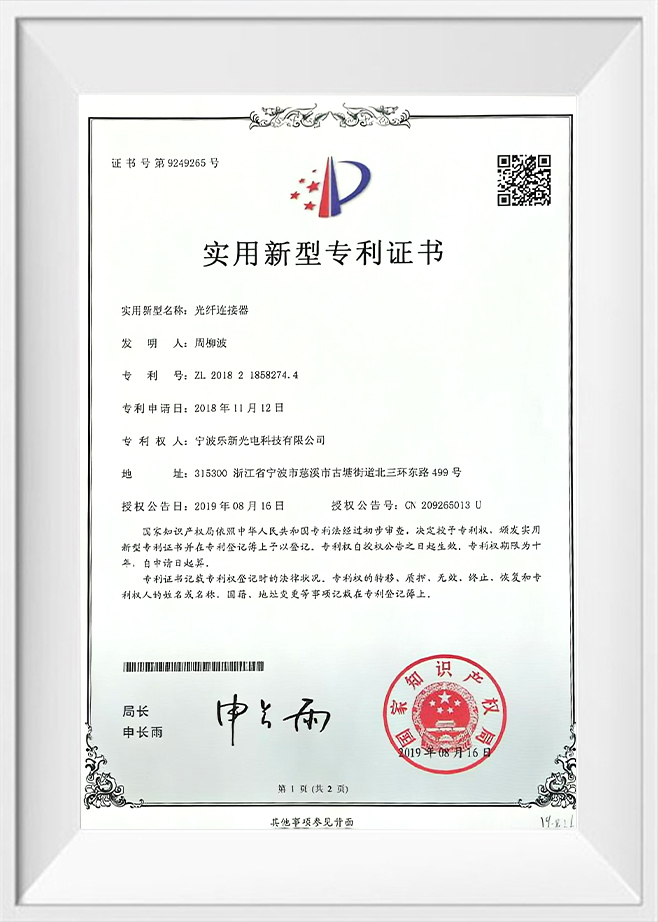
Ningbo Goshining Communication Technology Co., Ltd. to przedsiębiorstwo projektujące, produkujące i sprzedające pełną gamę produktów światłowodowych, oferujące wysokiej jakości usługi najwyższej klasy, które pozwalają nam spełniać wszystkie wymagania klientów i oferować kompleksowe usługi. Nasze produkty obejmują szybkie złącze światłowodowe, kabel krosowy, rozdzielacz PLC, kable, skrzynkę rozdzielczą, złączki i skrzynkę zaciskową itp. Oferujemy również usługi dostosowywania, które pomogą rozwinąć własną markę.
Certyfikat
Wiadomości
-
Mar 13, 2026_Goshining
-
Mar 06, 2026_GoshiningWybór odpowiedniego zamknięcia spawu światłowodowego sprowadza się do cztery podstawowe czynniki: środowisko instalacji, konfiguracja wejścia kabla, pojemność włókien i metoda uszczelniania . Zrób to dobrze, a otrzymasz zam...Przeczytaj więcej
-
Feb 28, 2026_GoshiningKable światłowodowe , jako kluczowy element nowoczesnych systemów komunikacyjnych, są szeroko stosowane w różnych dziedzinach ze względu na ich dużą przepustowość, transmisję na duże odległości i odporność na zakłócenia. Jed...Przeczytaj więcej
OTDR Industry knowledge
The working mechanism of OTDR is similar to that of radar system, and it realizes fiber link diagnosis through precise optical time domain analysis:
Pulse emission system: OTDR has a built-in high-stable laser source, which emits narrow light pulses of specific wavelength. The pulse energy can reach 100mW, the width determines the test distance resolution, and the repetition frequency (1kHz-50kHz) affects the measurement speed. The intelligent pulse control system can automatically optimize the parameter combination according to the test distance.
Backscattering analysis: When the light pulse is transmitted in the optical fiber, Rayleigh scattering (about 0.0001% of the total optical power) will be generated, and some photons (about -50dB to -80dB) will return along the original path. OTDR captures these weak signals through a highly sensitive APD detector and accurately records their return time and intensity. The intensity of scattered light is proportional to the attenuation coefficient of the optical fiber, and the loss between any two points can be calculated by analyzing the slope of the scattering curve.
Reflection event detection: When the light pulse encounters a connector, mechanical joint or optical fiber end face, a strong Fresnel reflection (more than 1000 times stronger than scattering) will be generated. By identifying these reflection peaks (dynamic range up to 45dB), the OTDR can accurately locate the positions of various event points (accuracy ±0.5 meters) and calculate their reflection losses (accuracy ±0.1dB). Special algorithms can distinguish the different characteristics of active connectors (strong reflection) and fusion points (no reflection).
Intelligent data processing: Modern OTDR uses digital signal processing technology to improve the signal-to-noise ratio through multiple averaging. Machine learning algorithms can automatically identify more than 20 typical event types (such as bending loss, water peak attenuation, etc.) and generate professional test reports. The multi-wavelength test function (dual-wavelength or three-wavelength synchronization) can comprehensively evaluate the dispersion characteristics and wavelength-dependent attenuation of optical fibers.
wejdź Dotknij

No.255 Lianfei Road, KandunIndustrial Park, Cixi City, prowincja Zhejiang, Chiny
Szybkie linki
Centrum Produktu
- Wstępnie połączone rozwiązanie ODN
- Szybkie złącze światłowodowe
- Rozdzielacz światłowodowy PLC
- Patchcord światłowodowy
- Kabel światłowodowy
- Rozdzielnica światłowodowa
- Zamknięcie złącza światłowodowego
- Skrzynka zaciskowa światłowodu
- Rama rozdzielcza światłowodu ODF
- Akcesoria światłowodowe
- Sprzęt i narzędzia światłowodowe
dane kontaktowe
-
Email: [email protected]
-
Tel: +86 18367407397
Mobilny
Prawa autorskie © Ningbo Goshining Communication Technology Co., Ltd.
